
Table of Contents (12 sections)
In the ever-evolving world of fitness, structured approaches play a crucial role in ensuring sustained progress and injury avoidance. This guide focuses on step by step fitness training, a methodical way to enhance your physical health. Whether you're a beginner or looking to refine your routine, implementing this structured approach will lead you to greater results.
Why Step by Step Fitness Training?
Step by step fitness training is essential for various reasons:
- Clarity: It provides clear guidelines, making it easier to follow.
- Progressive Overload: This method allows for gradual increases in intensity, which is critical for muscle growth and endurance.
- Tracking Progress: By following a structured plan, you can easily monitor and evaluate your progress.
- Reduced Risk of Injury: Learning the right techniques in a stepwise manner minimizes the chances of injury.
According to a study by the American College of Sports Medicine, structured training not only helps in achieving fitness goals but also significantly contributes to consistent motivation. Moreover, the psychological impact of checking off completed steps can enhance adherence to fitness plans.
Step 1: Initial Assessment
Before embarking on your fitness journey, an initial assessment is paramount. Here’s how to go about it:
- Physical Check-Up: Consult a healthcare provider to rule out any medical issues.
- Fitness Level Assessment: Monitor your current fitness level by conducting basic tests (endurance run, strength assessments, etc.).
- Set SMART Goals: Define Specific, Measurable, Achievable, Relevant, and Time-based objectives. For example, “I aim to run 5 kilometers in under 30 minutes within three months.”
This baseline will serve as a reference point to measure your improvements later.
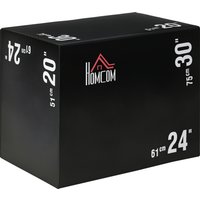
HOMCOM Box jump pliometrie 3 en 1 appareil musculation fitness & crossfit plyobox pour box training 51/61/76 cm PE noir-AOSOM.fr
Aosom FR
Step 2: Develop a Structured Training Plan
Creating a fitness training plan is your next step. Consider the following elements:
- Frequency: Determine how many days per week you'll train (e.g., 3-5 days).
- Type of Training: Decide on the focus areas: strength, cardio, flexibility, or a mix.
- Duration: Allocate specific time for each workout. Sessions can range between 30 minutes to 1 hour.
- Rest Days: Integrate rest days to allow for recovery and prevent burnout.
An effective strategy includes alternating muscle groups on different days. For example:
- Monday: Upper Body Strength
- Wednesday: Lower Body Strength
- Friday: Cardio
Step 3: Begin with Warm-Up Exercises
Before every workout, a proper warm-up is critical. It prepares your body for the upcoming sessions:
- Purpose: A warm-up increases blood flow to the muscles, enhances flexibility, and reduces the risk of injury.
- Example Routine:
- 5-10 minutes of light cardio (jogging, jumping jacks)
- Dynamic stretches focusing on major muscle groups (arm circles, leg swings)
Avoid static stretching before workouts as it can lead to weaker performance. The goal of the warm-up is to activate and prepare the muscles.
Step 4: Implement Training Sessions
Now, execute your training plan. Focus on proper form and techniques. Here are key considerations:
- Monitor Intensity: Stay within your target heart rate range, especially in cardio workouts (typically 50-85% of your maximum heart rate).
- Progressive Overload: Gradually increase resistance or intensity every couple of weeks (e.g., if lifting weights, gradually increase by 5-10% as you get comfortable).
- Hydration and Nutrition: Fuel your body with adequate hydration and nutrition pre- and post-workout to support recovery and performance.
Common mistakes to avoid include skipping workouts, neglecting hydration, and pushing too hard too soon, potentially leading to injury.
Step 5: Implement Recovery Practices
Recovery is as crucial as the workout itself. Effective recovery strategies include:
- Cool Down: Gradually decrease intensity at the end of your workout with light cardio followed by static stretching.
- Rest Days: Ensure you have dedicated rest days to allow muscles to recover and grow stronger.
- Sleep Hygiene: Aim for 7-9 hours of quality sleep per night to support recovery.
Utilizing foam rollers or engaging in yoga can also enhance flexibility and recovery.
Step 6: Track and Adjust
Continuously monitoring your progress is vital. Here are practical tips:
- Journaling: Keep a fitness journal to note down workouts, feelings, and any changes in performance.
- Adjustments: If a particular routine isn’t yielding results, reevaluate and modify your workout plan based on your progress.
- Consult Professionals: If possible, hiring a personal trainer can provide personalized feedback and adaptations.
Checklist before starting your fitness plan:
- [ ] Consult a healthcare provider.
- [ ] Complete physical assessments.
- [ ] Set realistic fitness goals.
- [ ] Create a structured workout plan.
- [ ] Plan warm-up and cool-down routines.
- [ ] Prepare meal and hydration strategies.
📺 Resource Video
For an in-depth visual guide on step by step fitness training, check out videos like “Beginner’s Guide to Structured Fitness Training”. You can find them on YouTube by searching: “step by step fitness training guide 2026.”
Glossary
| Term | Definition |
|---|---|
| Progressive Overload | Gradually increasing the amount of stress placed on the body during training to improve fitness levels. |
| Rest Days | Scheduled days where no intense training is performed to allow the body to recover. |
| Heart Rate Zone | Percentage of your maximum heart rate that indicates the intensity of exercise, usually defined in zones. |
---
📺 Pour aller plus loin : step by step fitness training guide 2026 sur YouTube
Recommended products
Selected by our experts
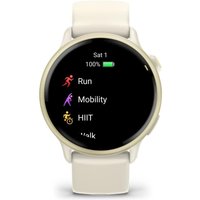
Garmin Vívoactive 6 - 010-02985-01 Bracelet Silicone Ivoire - 42 mm
3 Suisses FR
The Garmin Vívoactive 6 is perfect for tracking your workouts and ensuring you stay within your heart rate zones.
HOMCOM Box jump pliometrie 3 en 1 appareil musculation fitness & crossfit plyobox pour box training 51/61/76 cm PE noir-AOSOM.fr
Aosom FR
The HOMCOM Box Jump is ideal for high-intensity interval training and helps improve explosive strength.