Table of Contents (10 sections)
Creating an effective fitness routine can seem daunting, but with the right approach, you can design one that fits seamlessly into your lifestyle. This guide aims to walk you through essential steps to develop a personalized routine that will help you meet your fitness goals, whether you're a beginner or looking to refine your current plan.
1. Assess Your Current Fitness Level
Before diving into a new fitness routine, it's crucial to assess your current fitness level. This self-assessment will help establish a baseline and set realistic goals. Consider questions like: How often do you currently exercise? What activities do you enjoy? If you're new to fitness, starting with a simple self-test can help gauge your strength, endurance, and flexibility.
For example, you could measure how far you can walk or run in 12 minutes, or perform basic strength tests like push-ups or sit-ups. According to the American Heart Association, adults should aim for at least 150 minutes of moderate-intensity aerobic activity each week, so a good starting point might be to see how close you currently are to that benchmark.
Setting goals can also help solidify your fitness objectives. Use the SMART criteria—Specific, Measurable, Achievable, Relevant, Time-bound—to guide your goal-setting process. For example, instead of saying, "I want to get fit," aim for, "I want to run 5 kilometers in under 30 minutes in three months."
2. Define Your Objectives
Now that you have assessed your fitness level, the next step is to define your objectives. Think about what you wish to achieve with your fitness routine. Are you looking to lose weight, build muscle, improve endurance, or perhaps enhance your overall health?
Your objectives should align with your lifestyle. If you have limited free time, perhaps focus on high-intensity interval training (HIIT) workouts that can be completed in shorter durations. If you are looking for stress relief or flexibility improvement, consider incorporating yoga or Pilates. Make sure to prioritize your objectives according to your personal circumstances—for instance, a busy professional may need a quicker, more efficient routine to fit into a hectic schedule.
3. Choose Activities You Enjoy
One of the most critical factors in maintaining a consistent fitness routine is enjoyment. Choosing activities that you genuinely enjoy will increase your likelihood of sticking with your routine over the long term. This means you should explore different fitness genres, such as:
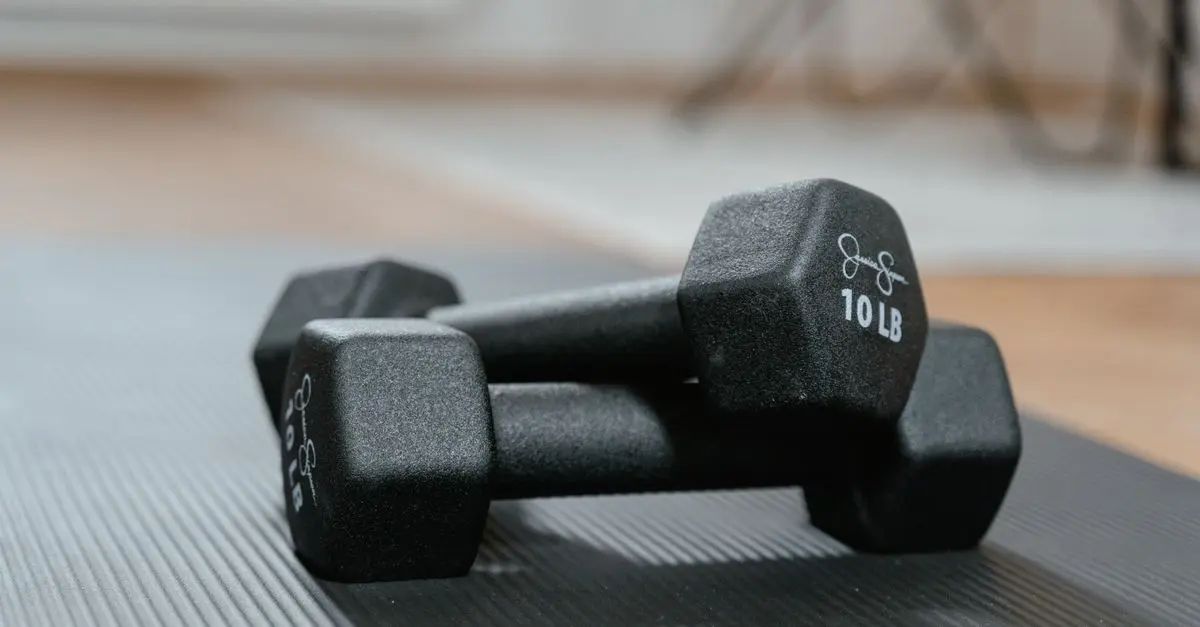
- Strength training: Utilize weights or resistance bands to enhance muscle definition.
- Cardio workouts: Engage in activities like running, cycling, or swimming that can improve your cardiovascular health.
- Group classes: Join classes like Zumba, kickboxing, or spin to meet new people and make workouts fun.
- Outdoor activities: From hiking to playing team sports, engaging with nature can be refreshing and invigorating.
A survey published by Statista indicates that over 70% of people feel more motivated to exercise when they engage in activities they enjoy. So, experiment with various options until you find the right mix that resonates with you.
4. Create a Balanced Schedule
Once you know what you want to achieve and which activities you enjoy, it's time to create a balanced schedule. Aim for a well-rounded approach that includes:
- Strength training at least twice a week to build muscle.
- Cardio workouts for heart health, ideally 150 minutes of moderate aerobic activity weekly.
- Flexibility and balance exercises, like yoga or stretching, incorporated at least once per week.
To help with this, consider using a fitness app or planner to organize your sessions. The key is consistency; even small, regular workouts can lead to significant benefits over time. Keep in mind that rest days are just as important as your workout days. Rest helps your body recover and prevents injury. Schedule at least one or two rest days weekly, depending on your workout intensity and overall physical condition.
5. Monitor Your Progress
Tracking your progress is crucial to maintaining motivation and making adjustments as needed. This can be accomplished through various methods such as:
- Keeping a fitness journal.
- Using health tracking apps to log workouts and monitor recovery.
- Taking periodic fitness assessments to measure your progress.
Research from Harvard Health Publishing indicates that individuals who track their fitness activities are more likely to meet their goals compared to those who do not. Each week, assess your routines and review your progress towards your objectives. Don’t hesitate to adjust your routine as necessary—what works at one point might change as your fitness improves or lifestyle shifts.
6. Stay Motivated & Seek Support
Finally, staying motivated is key to maintaining your fitness routine long-term. To keep the momentum going, consider the following:
- Join workout communities: Surrounding yourself with like-minded individuals can provide social support and accountability.
- Set mini-goals: Celebrate small victories along the way to help maintain enthusiasm.
- Reward yourself: Treat yourself when you reach specific milestones, like a new workout outfit or a massage.
Don't overlook the value of feedback from family, friends, or trainers. Their encouragement can significantly bolster your motivation.
Checklist before implementing your Fitness Routine
- [ ] Assess your current fitness level.
- [ ] Define clear objectives.
- [ ] Choose enjoyable activities.
- [ ] Create a balanced workout schedule.
- [ ] Monitor your progress regularly.
- [ ] Seek support and stay motivated.
📺 For additional insights:
Watch this video on how to build your perfect fitness routine. Search on YouTube: 'how to create an effective fitness routine 2026'.
Glossary
| Term | Definition |
|---|---|
| HIIT | High-Intensity Interval Training; a workout strategy involving intense bursts of exercise followed by short recovery periods. |
| Cardio | Exercises that raise your heart rate, improving cardiovascular health, such as running or cycling. |
| Flexibility | The range of motion in a joint or group of joints, important for overall fitness and injury prevention. |
> 🧠 Quick Quiz: What is the most important factor for sticking to a fitness routine?
> - A) Fun activities
> - B) Length of workout
> - C) Number of rest days
> Answer: A — Enjoying your workouts increases your likelihood of consistency.
📺 Pour aller plus loin : how to create an effective fitness routine 2026 sur YouTube