Table of Contents (11 sections)
What is Endurance Training?
Endurance training is a critical component of overall fitness, focusing on improving the body's ability to sustain prolonged physical activity. It enhances cardiovascular efficiency and muscular strength, allowing individuals to participate in sports and activities for extended periods without fatigue. Endurance training includes activities such as running, cycling, swimming, and even high-intensity interval training (HIIT). Increasing your endurance can lead to better performance in daily activities as well as competitive sports, making it essential for anyone looking to improve their fitness levels.
Understanding the different types of endurance training—such as aerobic and anaerobic—is key to selecting the right regimen. For example, aerobic training enhances cardiovascular fitness often with longer, steady sessions, while anaerobic training focuses on short bursts of high-intensity effort. Each has its unique benefits and drawbacks, and knowing how to balance these effectively enhances training outcomes.
Evaluate Your Current Fitness Level
Before embarking on an endurance training program, it is vital to assess your current fitness level. This evaluation will help determine your starting point and set realistic goals. Consider performing a simple test, such as a timed run or cycling session, to gauge your stamina. For instance, measuring the distance you can cover in 30 minutes can provide valuable insight into your current endurance capabilities.
Additionally, consult with a fitness professional if possible. They can help analyze your test results, suggest baseline metrics, and establish personalized fitness targets. This professional guidance is especially beneficial for those with specific health concerns, ensuring that safety is prioritized while achieving fitness goals.
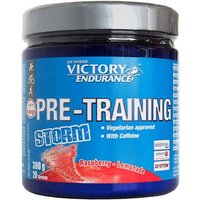
Victory Endurance Pre-Training Storm Raspberry-Lemonade 300g
DocMorris FR (ex DoctiPharma FR)


Choose the Right Endurance Training Methods
Once you've evaluated your fitness level, the next step is to choose the training methods that align with your goals. Different methods can stimulate endurance improvement in distinct ways. For example:
- Long Slow Distance (LSD) training focuses on duration, building aerobic endurance through prolonged sessions at a comfortable pace.
- Tempo Runs consist of sustained efforts at a challenging yet manageable pace to improve lactate threshold.
- Interval Training alternates between high-intensity bursts and recovery periods, enhancing both aerobic and anaerobic fitness.
A well-rounded training regimen often incorporates a mix of these methods. Depending on your goals—say preparing for a marathon or improving general fitness—adjust your focus on duration, intensity, and frequency accordingly. Many experts suggest cross-training, which can reduce injury risk while promoting overall endurance. Exploring various activities, such as swimming, cycling, or rowing, keeps the regimen enjoyable and dynamic.
| Method | Duration | Intensity | Goal |
|---|---|---|---|
| Long Slow Distance | 60+ minutes | Low | Aerobic endurance buildup |
| Tempo Runs | 20-40 minutes | Moderate | Improve lactate threshold |
| Interval Training | 30-60 minutes | High/Low | Boost aerobic and anaerobic |
Remember to incorporate progressive overload, gradually increasing either the intensity or duration of your workouts to continue challenging your body. Taking rest days is equally crucial; they allow muscles to recover and adapt, reducing the risk of overtraining. Generally, a well-rounded plan includes:
- 3-5 days of endurance training per week
- Specific days for varying intensity (LSD, tempo, intervals)
- Adequate cross-training and rest days
Developing a grind-free plan that accommodates your lifestyle will improve adherence. Apps and fitness trackers can help monitor workouts and progress, providing motivation and insights along the journey.
Incorporate Recovery and Nutrition
Proper nutrition and recovery strategies significantly impact endurance performance. After workouts, focus on nutrient timing: consuming carbohydrates and protein within 30 minutes helps replenish glycogen stores and repair muscles. Hydration also plays a vital role; aim to drink adequate fluids before, during, and after your workouts.
Consider consulting a nutritionist for personalized dietary strategies, which can enhance recovery and performance. Common suggestions include:
- Eating whole foods with a balance of macronutrients
- Supplements such as electrolytes and protein shakes to aid recovery
- Engaging in active recovery (light exercise) on rest days to facilitate muscle repair
Track Your Progress and Adjust
Continual monitoring of your training progress helps to ensure you're on the right path. Consider fitness apps or journals where you can log workouts, times, and overall feelings of exertion. This documentation will allow you to revisit and adjust your plan based on real data. For instance, if you notice persistent fatigue, you may need to increase recovery periods or reduce workout intensity.
Regular assessments, such as bi-weekly distance runs or timed intervals, can also help determine improvements and establish new goals. Celebrate small victories, which can significantly boost motivation and mindfulness throughout your journey to better endurance.
Common Mistakes to Avoid
As you embark on your endurance training journey, be mindful of common pitfalls. Here are some key mistakes to avoid:
- Skipping Rest Days – Recovery is essential. Ignoring rest increases injury risks and fatigue.
- Neglecting Nutrition – Inadequate nutrition can lead to poor performance and recovery.
- Overtraining – Ensure gradual increases in intensity and volume. Listen to your body.
- Lack of Variety – Sticking to the same routine can lead to stagnation; incorporate cross-training for balanced development.
- Ignoring Professional Advice – Engaging with trainers or coaches can provide insights that enhance your training effectiveness.
💡 Expert Tip: Regularly seek feedback from experienced athletes or trainers. It helps clarify misconceptions, keeping your training program aligned with best practices.
Checklist before Purchase
- [ ] Assess your current fitness level
- [ ] Choose the right training methods
- [ ] Create a structured training plan
- [ ] Plan recovery and nutrition strategies
- [ ] Track and adjust your progress
- [ ] Avoid common training mistakes
Glossary
| Term | Definition |
|---|---|
| Endurance Training | Training that enhances the ability to sustain prolonged physical activity. |
| Aerobic Capacity | The maximum amount of oxygen the body can use during intense exercise. |
| Lactate Threshold | The exercise intensity at which lactate starts to accumulate in the bloodstream. |
> 📺 For further insight: Check this YouTube video for specialized endurance training tips and techniques. Search for: "endurance training tips 2026".
Recommended products
Selected by our experts
Victory Endurance Pre-Training Storm Raspberry-Lemonade 300g
DocMorris FR (ex DoctiPharma FR)
This energy drink aids hydration and provides essential electrolytes for endurance workouts.
Coros Apex 4 46mm GPS Watch GPS Watches White
holabirdsports.com
The GPS watch offers performance tracking benefits essential for endurance athletes.
Onnit Shroom Tech® SPORT (28 ct)
onnit.com
Soft medicine balls enhance strength training, crucial for developing power and endurance.