
Table of Contents (14 sections)
Creating an effective step to fitness plan is essential for anyone looking to improve their overall wellness. Understanding how to design a personalized fitness program can make a significant difference in your health journey. In this article, we will outline crucial steps, practical tips, and insights drawn from fitness experts to guide you on your way.
Step 1: Set Clear Fitness Goals
Establishing clear fitness goals is the cornerstone of any successful step to fitness plan. Why is this so important? Without specific and measurable goals, it’s easy to lose motivation and direction. Start by considering what you wish to achieve. Is it weight loss, muscle gain, increased stamina, or overall wellness?
Here are a few examples of SMART goals:
- Lose 10 pounds in 3 months
- Run 5 km without stopping in 8 weeks
- Attend workout classes 3 times a week for 6 months
Use the SMART criteria to ensure your goals are Specific, Measurable, Achievable, Relevant, and Time-bound. By setting clear benchmarks, you can track your progress effectively.
Common Mistakes to Avoid:
- Setting vague goals like “get fit” without specificity
- Failing to adjust goals as needed based on progress
- Overloading your plan with too many goals at once
Step 2: Assess Your Current Fitness Level
Before diving into any new fitness plan, it’s crucial to assess your current fitness level. This assessment will help you understand your strengths and weaknesses, making your subsequent decisions more effective.
How to Assess:
- Perform a fitness test: Include activities like a timed 1-mile run, a sit-up test, and stretch assessments.
- Check your body composition: Use a scale or a body fat measure tool.
- Recognize any medical limitations: Always consult a physician, especially if you have pre-existing health conditions.
Understanding where you currently stand allows you to tailor your workout intensity and duration correctly, ensuring that you challenge yourself without overexerting.
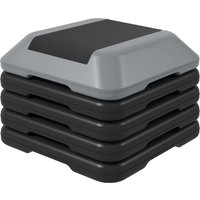
SPORTNOW Step pour fitness, stepper antidérapant à hauteur réglable 10/15/20/25/30 cm, charge 150 kg, gris
Aosom FR
Step 3: Choose the Right Activities
Choosing the right activities is paramount. A well-rounded fitness plan includes elements of cardiovascular exercise, strength training, and flexibility workouts. Balance is essential to prevent injuries and ensure a comprehensive approach.
Suggested Activities:
- Cardio: Running, cycling, swimming - aim for 150 minutes per week.
- Strength Training: Bodyweight exercises, weightlifting - include at least two days per week.
- Flexibility: Yoga, static stretching - integrate into your routine to enhance mobility.
Pro Tip: Mix and match activities to keep your routine fresh and engaging. According to the American Heart Association, variety not only combats boredom but also improves motivation.
Step 4: Structure Your Weekly Routine
Once you've selected your activities, it’s time to structure your weekly workout routine. Organizing how your week looks can include determining the days and times you will exercise.
Sample Weekly Structure:
- Monday: 30 mins cardio + 20 mins strength
- Wednesday: 30 mins of interval training
- Friday: 20 mins flexibility + strength training
- Saturday: Outdoor activity or group class
Common Pitfalls:
- Neglecting rest days — recovery is important!
- Over-scheduling - ensure the routine is sustainable for your lifestyle.
Step 5: Monitor Progress and Adjust Your Plan
The final essential step to creating an effective step to fitness plan is monitoring your progress. Keep track of your workouts, achievements, and any setbacks.
Monitoring Techniques:
- Fitness apps: Use tech tools to log workouts and track goals.
- Journaling: Document your feelings and physical changes post workouts.
- Regular assessments: Take time every month to re-evaluate your goals and fitness level.
Adjust your plan based on these insights. If a particular exercise isn’t fruitful or enjoyable, switch it up! Adapting to your needs helps maintain motivation and prevents burnout. According to fitness coaches, adaptability is critical for long-term success.
Checklist before starting your fitness journey
- [ ] Establish SMART fitness goals
- [ ] Conduct a fitness assessment
- [ ] Decide on a mix of activities
- [ ] Create a balanced weekly schedule
- [ ] Set up a system for monitoring progress
Conclusion
Crafting your step to fitness plan is a personalized journey that ought to reflect your unique lifestyle and aspirations. By taking these essential steps seriously, you are setting yourself up for a successful and engaging fitness experience.
Glossary
| Term | Definition |
|---|---|
| Cardiovascular Exercise | Activities that raise your heart rate and improve blood circulation. |
| Flexibility Workouts | Exercises focusing on stretching and improving the range of motion in muscles. |
| Strength Training | Form of exercise that uses resistance to build muscular strength and endurance. |
> 📺 To go further: [Watch our video on creating an effective fitness plan], a comprehensive guide to designing your unique step to fitness plan. Search on YouTube: "designing personal fitness plan 2026".
🧠 Quick Quiz: What is the most critical component of a fitness plan?
- A) Variety of exercises
- B) Scheduling
- C) Setting goals
Answer: C — Goals provide direction and motivation!
📺 Pour aller plus loin : step to fitness plan 2026 sur YouTube
Recommended products
Selected by our experts
SPORTNOW Step pour fitness, stepper antidérapant à hauteur réglable 10/15/20/25/30 cm, charge 150 kg, gris
Aosom FR
This adjustable step platform enhances your home workouts, allowing for various step exercises that are great for building strength and endurance.