Table of Contents (10 sections)
Understanding the Basics
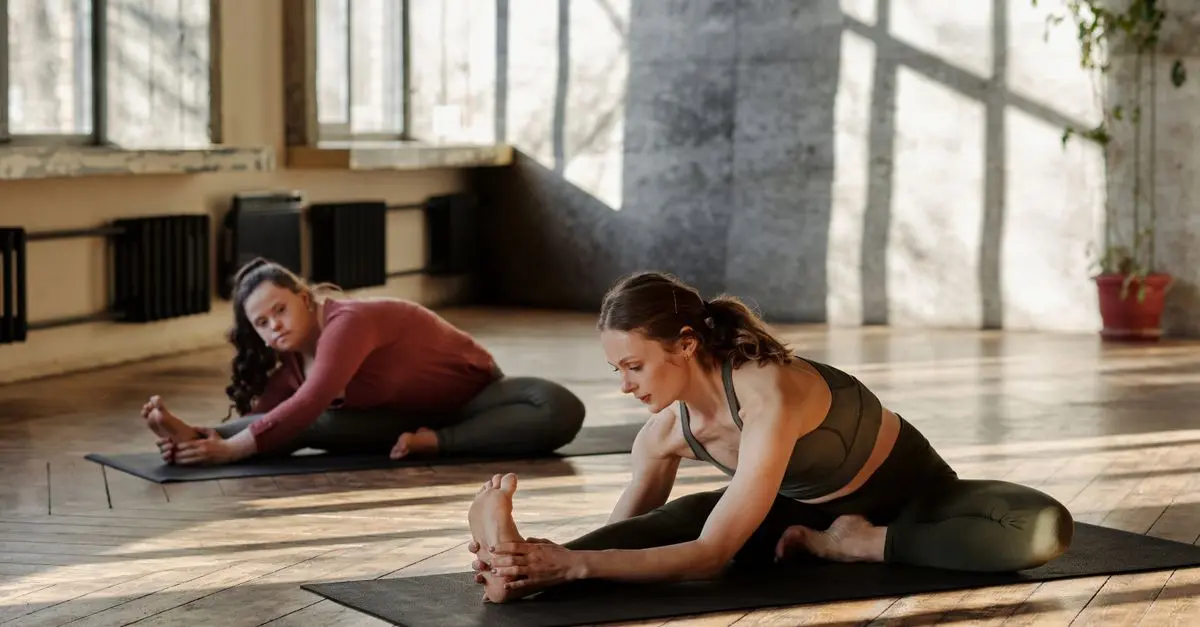
Stretching exercises are vital for maintaining overall body flexibility and mobility. Flexibility not only enhances performance in physical activities but also decreases the risk of injuries. Beginners should focus on building a solid foundation with basic stretches that are simple yet highly effective. A consistent stretching routine can improve your posture, reduce muscle tension and promote better circulation. According to Harvard Health Publishing, regular stretching exercises can lead to improved movements and enhanced quality of life, which is crucial for overall well-being.
Step 1: Neck Stretch
The neck stretch is essential for relieving tension and preventing stiffness, especially for those who spend a lot of time in front of screens. To begin, stand or sit up straight. Tilt your head toward your right shoulder while keeping your shoulders relaxed. Hold for 15-30 seconds and switch to the left shoulder. Repeat this two to three times per side. It's important to avoid leaning forward or backward, as it may cause strain. Dr. Anthony LaSala, an expert in occupational health, emphasizes that neck stretches improve neck flexibility, reducing the likelihood of developing chronic pain.
Step 2: Shoulder Stretch
Shoulder stretches help to alleviate tightness, promoting a broader range of motion. Start by extending one arm across your chest. Use your opposite hand to gently press your arm closer to your chest. Maintain this position for 15-30 seconds, then switch arms. Repeat two to three times. Ensure you keep your body upright and avoid pulling too hard to prevent injury. Consistent shoulder exercises are beneficial for preventing shoulder impingement, especially in sedentary lifestyles.
Step 3: Triceps Stretch
Triceps stretches are important for arm flexibility, particularly after upper-body workouts. Lift one arm overhead, then bend the elbow so your hand reaches toward the opposite shoulder blade. Use the other hand to gently push your elbow down. Hold for 15-30 seconds and switch arms. This stretch is crucial for keeping the arms and shoulders flexible. According to UFC-Que Choisir, stretching the triceps is crucial for maintaining upper body balance and is often neglected.
Step 4: Hamstring Stretch
Hamstring stretches are key to avoiding lower back pain and increasing leg flexibility. While standing, place one foot in front of the other. Bend the back leg while keeping the front leg straight. Lean forward slightly from the hips, not the waist, to avoid strain. Hold for 15-30 seconds and switch legs. Repeat two to three times. A study by INSEP found that regular hamstring stretching reduces the risk of hamstring injuries by 30%.
Step 5: Calf Stretch
Calf stretches are essential for those involved in activities that require a lot of running or standing. Start by standing one arm's length away from a wall. Place one foot behind you, keeping it flat on the ground and the front knee slightly bent. Lean into the wall until you feel a stretch in your calf. Hold for 15-30 seconds and switch sides. Repeat the process twice on each side. Stretching your calves regularly can improve circulation and prevent stiffness, particularly for runners.
📺 Resource Video
> 📺 For further learning: Beginner's Guide to Stretching Exercises, a comprehensive analysis of basic stretching routines. Search on YouTube: "stretching exercises beginners guide 2026".
Glossary
| Term | Definition |
|---|---|
| Flexibility | The quality of bending easily without breaking. |
| Mobility | The ability to move freely and easily. |
| Impingement | A condition where there is impingement of the tendons or bursa in the shoulder. |
Checklist
- [ ] Begin with a warm-up before stretching.
- [ ] Hold each stretch for 15-30 seconds.
- [ ] Breathe deeply and consistently.
- [ ] Avoid bouncing or sudden movements.
- [ ] Repeat each stretch 2-3 times for effectiveness.
🧠 Quiz rapide : [What is the primary benefit of regular stretching for beginners?]
- A) Improved strength
- B) Enhanced flexibility
- C) Better endurance
Réponse : B — Regular stretching primarily enhances flexibility.