Table of Contents (13 sections)
In today's fast-paced world, maintaining physical fitness is crucial. One strategy gaining popularity is functional fitness, a form of exercise designed to prepare your body for real-world activities. This article explores the various benefits of functional fitness and its impact on daily life.
What is Functional Fitness?
Functional fitness involves exercises that mimic real-life activities. Instead of focusing on isolated muscle groups like traditional fitness regimes, it emphasizes movements that engage multiple joints and muscles. This type of training improves balance, coordination, and strength crucial for everyday tasks. For instance, a squat mimics the motion of sitting and standing, making it a functional exercise. According to the American Council on Exercise, functional fitness can enhance posture and reduce the risk of injury by improving the body’s ability to cope with physical stress.
How Functional Fitness Benefits Daily Activities
Increased Strength and Endurance
Functional fitness routines are tailored to improve the strength needed for daily tasks. Activities like carrying groceries, climbing stairs, or playing with children become less challenging. A study from the Journal of Sports Medicine illustrates how functional exercises improve muscular endurance, thereby making everyday activities easier.
Improved Balance and Coordination
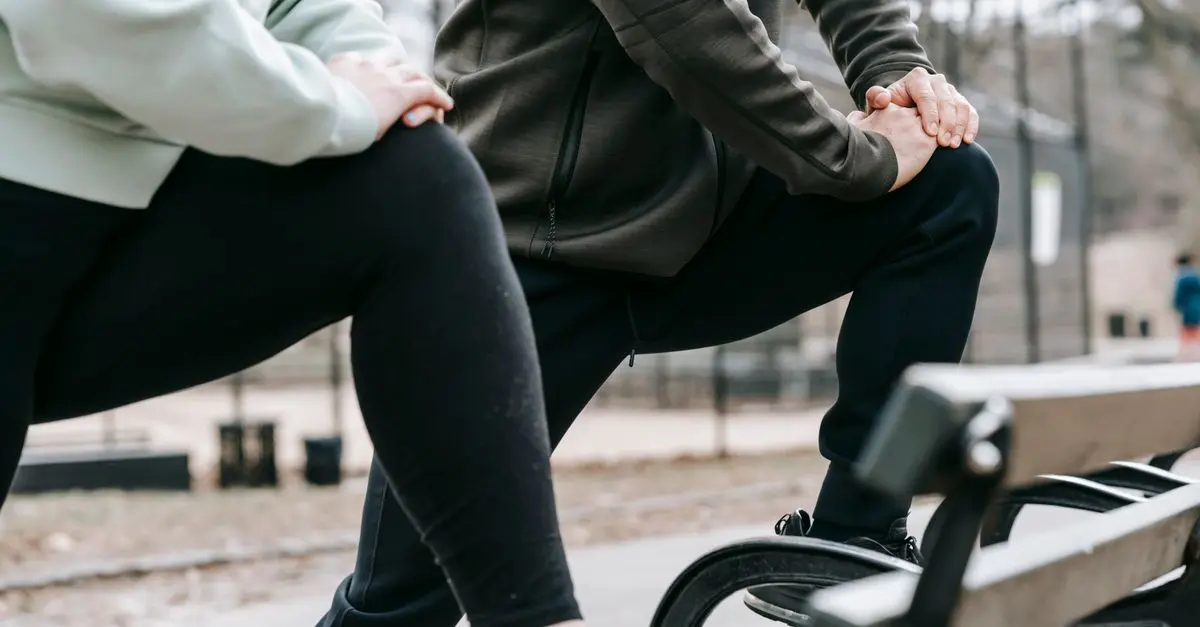
Balance is a critical component of functional fitness. Regimes often include exercises like lunges and balance boards that enhance your stability. Improved balance reduces the risk of falls, especially in older adults. The National Institute on Aging highlights that balance-oriented exercises can significantly reduce the likelihood of falls: a common cause of injury among seniors.
Enhanced Flexibility and Mobility
Functional fitness prioritizes full-range movements, significantly boosting flexibility and mobility. Exercises such as yoga stretches or dynamic stretches help improve joint health, making activities like bending and twisting more comfortable. According to Harvard Health Publishing, maintaining flexibility as you age can greatly decrease the chances of developing joint-related issues.
Procedural Guide: Incorporating Functional Fitness
- Assess Your Routine: Identify activities you perform daily and focus on exercises that mimic those tasks.
- Start with Basics: Simple exercises like squats, lunges, and push-ups can be very effective.
- Gradual Progression: Increase intensity slowly to build endurance and strength.
- Consistency is Key: Establish a regular schedule to see sustainable results.
Comparison: Functional Fitness vs Traditional Workouts
| Criteria | Functional Fitness | Traditional Fitness | Verdict |
|---|---|---|---|
| Focus | Real-world movements | Isolated movements | Functional for daily life |
| Equipment Needs | Minimal | Often equipment-heavy | Functional for beginners |
| Time Efficiency | High | Variable | Depends on goals |
| Injury Risk | Lower with proper form | Potentially higher | Functional for safety |
Statistics reveal a growing trend in functional fitness training. According to a 2025 fitness trends report by The International Health, Racquet & Sportsclub Association, over 70% of fitness professionals incorporate functional fitness in their client programs. This highlights the increasing recognition of functional fitness’s comprehensive benefits.
💡 Avis d'expert : According to Dr. Emily Finch, a certified personal trainer, "Functional fitness offers the unique advantage of enhancing life quality by addressing bodily functions holistically. It not only strengthens muscles but also cultivates mental resilience by fostering alertness and focus."
📺 Resource Video
📺 For further insights: Functional Fitness Training: Benefits & Workouts, a comprehensive look at functional exercises. Search on YouTube: "functional fitness benefits workout routines."
- What are functional fitness exercises?
Functional fitness exercises mimic everyday movements to enhance overall function.
- Is functional fitness suitable for all ages?
Yes, it can be tailored to different ages and fitness levels, making it suitable for everyone.
- How often should I do functional fitness exercises?
Ideally, aim for 2-3 times a week to see effective results.
- Do I need special equipment for functional fitness?
No, many exercises use your body weight or minimal equipment.
Glossary
| Term | Definition |
|---|---|
| Functional Fitness | Exercises improving real-world movements |
| Muscular Endurance | Ability of muscles to sustain repeated activities |
| Joint Health | Maintenance of healthy and functional joints |
- [ ] Assess daily activities to incorporate into a fitness routine
- [ ] Create a balanced fitness schedule
- [ ] Include a variety of exercises for overall benefit
- [ ] Use minimal equipment for accessibility
- [ ] Monitor progress consistently