Table of Contents (20 sections)
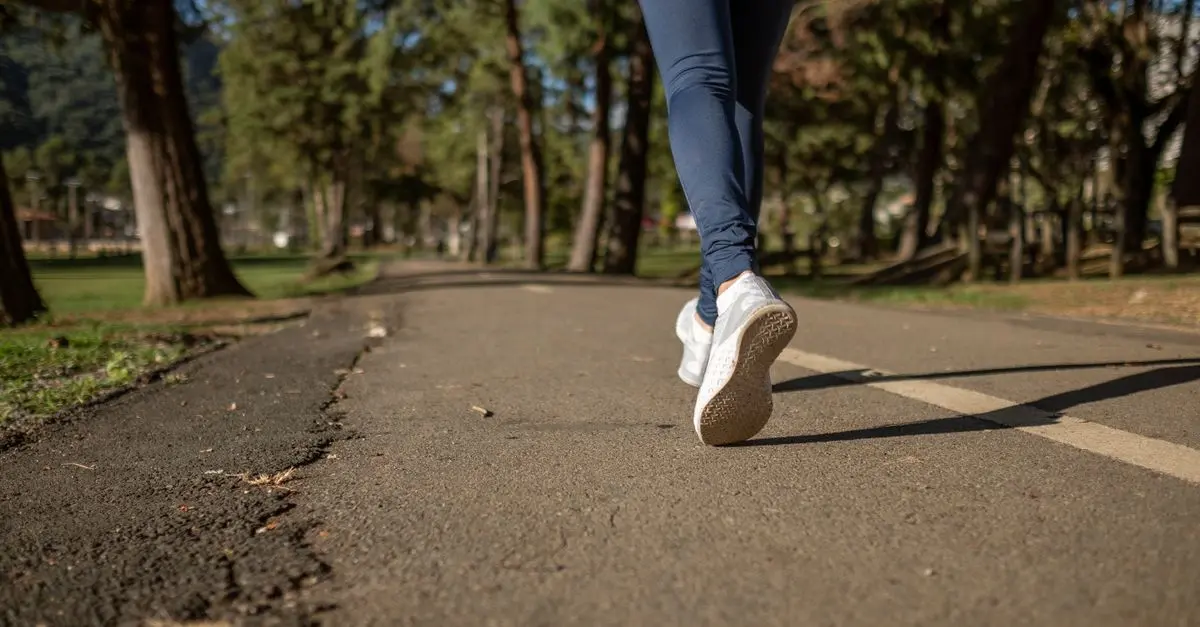
Walking is one of the simplest and most beneficial exercises you can engage in. It promotes cardiovascular health, enhances mental well-being, and helps in weight management. However, simply walking isn't always enough; monitoring your walking progress can significantly enhance your fitness journey. In this guide, we will discuss effective methods to monitor your walking progress, ensuring you stay motivated and on track to achieve your fitness goals.
1. Understanding the Importance of Monitoring Your Walking Progress
Before diving into how to track your steps, it's crucial to understand why monitoring is essential. Monitoring walking progress provides critical feedback on your fitness journey, allowing you to set realistic goals, adjust workout routines, and stay motivated. Research indicates that individuals who track their physical activities tend to achieve better results than those who don’t. According to a study by UFC-Que Choisir, people who kept a record of their exercise routines were 30% more likely to maintain a consistent workout schedule. Moreover, monitoring allows you to recognize patterns in your walking habits—such as time of day, distance covered, and walking pace.
Why Track Your Walking Progress?
- Motivation: Seeing your improvements can boost your internal motivation.
- Goal setting: It helps establish SMART (Specific, Measurable, Achievable, Relevant, Time-bound) goals.
- Accountability: Tracking creates a sense of accountability, encouraging you not to skip workouts.
- Health monitoring: It can alert you to changes in your physical health, such as increased fatigue or decreased performance.
2. Step-by-Step Methods to Monitor Your Walking Progress
Step 1: Choose the Right Tools
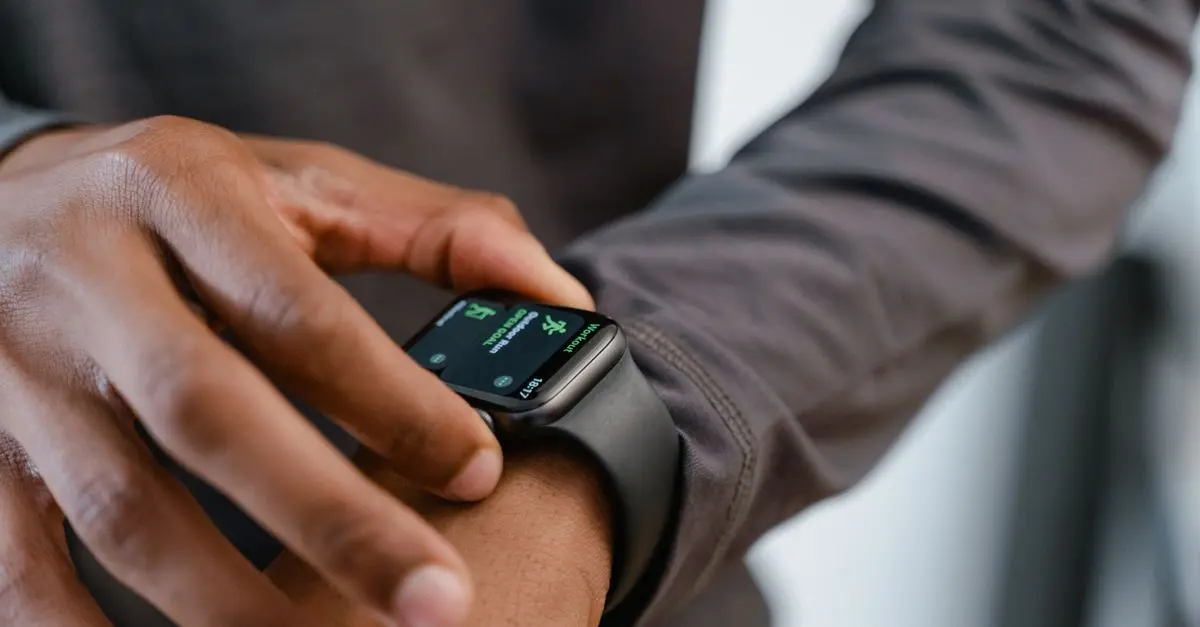
Choosing the right tools is the first step to effectively monitoring your walking progress. Wearable devices like pedometers, fitness trackers, or smartwatches can provide precise data about your daily steps, distance, and even calorie expenditure. For those who prefer digital solutions, various smartphone apps can track your walking metrics effectively. Look for apps that offer GPS tracking, step counting, and progress reports, enabling easy access and detailed insights.
Step 2: Set Clear Goals
Once you have the right tools, it's time to set specific goals. Goals might include aiming for a certain number of steps per day or walking a specific distance within a week. A popular target is to aim for 10,000 steps per day; however, this may vary depending on fitness levels. Establish short-term and long-term goals to keep things interesting and progressive.
Step 3: Regularly Record Your Progress
Maintaining a log of your walking sessions is crucial. Whether through an app or a simple journal, record details like the distance walked, time spent, and how you felt during the walk. Regular recording will allow you to identify trends and see improvements over time. You might find that you’re walking farther or faster than when you first started.
Step 4: Analyze Your Data
Take time each week or month to analyze your data. Look at your recorded sessions, and assess if you’re meeting your goals. Are there certain days you walk less? Is your average pace improving? Analyzing this data helps in making informed decisions about your fitness regimen and can showcase your progress more vividly.
Step 5: Adjust Your Routine Accordingly
Based on your data analysis, it may be necessary to adjust your walking routine. If you’re consistently meeting your goals, consider increasing your targets gradually. Conversely, if you’re falling short, evaluate the reasons. Perhaps you need to adjust your schedule, or you might need to raise your motivation levels.
GlowBake DJ Headphones Wired Studio Pro Headset With Mic HiFi Monitor Sound, Dual Cable Music Headphones For Phone, Laptop pro 10 red
inspireuplift.com


eufy - Baby Monitor E20 with 2 Cameras, Split Screen, 2K HD Camera, 5'' 720p Display
bestbuy.com
3. Different Approaches to Track Your Walking Progress
Using Wearable Technology vs. Mobile Applications
There are several ways to monitor your walking progress, and choosing the best method depends on your lifestyle. Below is a comparison:
| Criterion | Wearable Devices (e.g., Fitbits) | Mobile Applications (e.g., Google Fit) |
|---|---|---|
| Convenience | Always on your wrist | Need to carry your phone |
| Data Collection | Automated throughout the day | Manual input may be required |
| Cost | Typically more expensive | Mostly free or low cost |
| Battery Life | Long-lasting | Dependent on phone battery |
| Features | Heart rate monitoring, GPS | Step tracking, goal setting |
4. Key Metrics to Focus On
When monitoring your progress, focus on specific metrics that matter the most to you. These can include:
- Step Count: This is the core of tracking your walking progress. Aim to consistently increase this number.
- Distance Traveled: Measure how far you walk each day or week.
- Time Spent Walking: Track how much time you dedicate to walking each session.
- Average Pace: Indicates your walking speed and can be useful to monitor improvements over time.
Understanding these metrics can provide insights into your walking habits and contribute to better fitness outcomes.
5. Tips and Common Pitfalls
Tips for Successful Monitoring:
- Consistency is key to effective tracking. Ensure you log your walking sessions regularly, as this builds a comprehensive data set.
- Stay motivated by setting rewards for reaching milestones.
Common Pitfalls to Avoid:
- Don’t set unrealistic goals that may lead to disappointment and burnout.
- Avoid comparing your progress to others; each fitness journey is individual.
📺 Resource Video
> For deeper insights: Check out our video on effective techniques for tracking fitness progress. Search YouTube for: “how to track walking progress effectively 2026.”


StarTech.com - Vertical Dual Monitor Stand, Heavy Duty Steel, Monitors up to 27" (22lb/10kg), Vesa Monitor, Computer Monitor Stand - Black
bestbuy.com
StarTech.com - Vertical Dual Monitor Stand, Heavy Duty Steel, Monitors up to 27" (22lb/10kg), Vesa Monitor, Computer Monitor Stand - Black
bestbuy.com
Checklist before you start monitoring:
- [ ] Choose a tracking method (wearable or app)
- [ ] Set achievable walking goals
- [ ] Regularly log your sessions
- [ ] Analyze your data weekly
- [ ] Adjust your routine based on findings
Glossary
| Term | Definition |
|---|---|
| Pedometer | A device that counts the number of steps taken. |
| Fitness Tracker | A wearable device that monitors various fitness metrics.
| SMART Goals | Criteria for setting effective goals (Specific, Measurable, Achievable, Relevant, Time-bound).|
FAQs
{
Recommended products
Selected by our experts


Garmin HRM 600 Heart Rate Monitor Heart Rate Monitors Size M - XL
holabirdsports.com

Staples TECH - Monitor Stand, Up to 46" Monitor, (20136/23961) - Black
bestbuy.com
Garmin HRM 600 Heart Rate Monitor Heart Rate Monitors Size XS - Small
holabirdsports.com


Mount-It! - Triple Monitor Desk Mount with Gas Spring Arms for Monitors up to 32″ - Black
bestbuy.com