Table of Contents (10 sections)
Tracking your step to fitness progress is essential for anyone looking to improve their overall health and fitness level. This guide will walk you through effective methods, tools, and techniques to ensure you're monitoring your walking activity accurately and meaningfully.
Understanding the Importance of Tracking Your Steps
Tracking your steps is about more than just counting numbers; it's a crucial aspect of your fitness journey. By understanding your levels of physical activity, you can set achievable goals and monitor your progress toward those goals. According to the Centers for Disease Control and Prevention (CDC), adults should aim for at least 150 minutes of moderate-intensity aerobic activity each week, which translates to roughly 10,000 steps a day for many individuals.
Not only does step tracking help you gauge your daily movement, but it also encourages accountability and motivation. Having a visual representation of your efforts can spur you to reach your goals, while also allowing you to celebrate your achievements—no matter how small they might be! Moreover, studies have shown that individuals who track their physical activity are more likely to stick with their fitness plans, leading to sustained weight loss and overall health improvements.
Step 1: Set Up Realistic Goals
Before diving into tracking, it's crucial to establish realistic goals that align with your lifestyle and fitness level. Begin by assessing your current daily step count. If you're already averaging around 3,000 steps, jumping straight to 10,000 steps per day may feel daunting.
A useful approach is to utilize the SMART goal framework—Specific, Measurable, Achievable, Relevant, and Time-bound. For example, aim to increase your daily step count by 500 steps each week until you reach your ultimate target. Keeping your goals realistic prevents burnout and discouragement.
During this step, also consider what type of activities can help you reach these goals. Incorporate walking during your lunch break, take the stairs instead of the elevator, or even schedule short walking meetings. Making these changes can seamlessly integrate more steps into your routine.
Step 2: Choose the Right Tools for Tracking
There are plenty of devices available today to help monitor your step to fitness progress, ranging from simple pedometers to sophisticated fitness tracking apps. Choose a tool that resonates with your workout style and personal preference.
- Pedometers: These are straightforward devices that count steps and display your daily count. They are often affordable and a great entry point for those new to tracking.
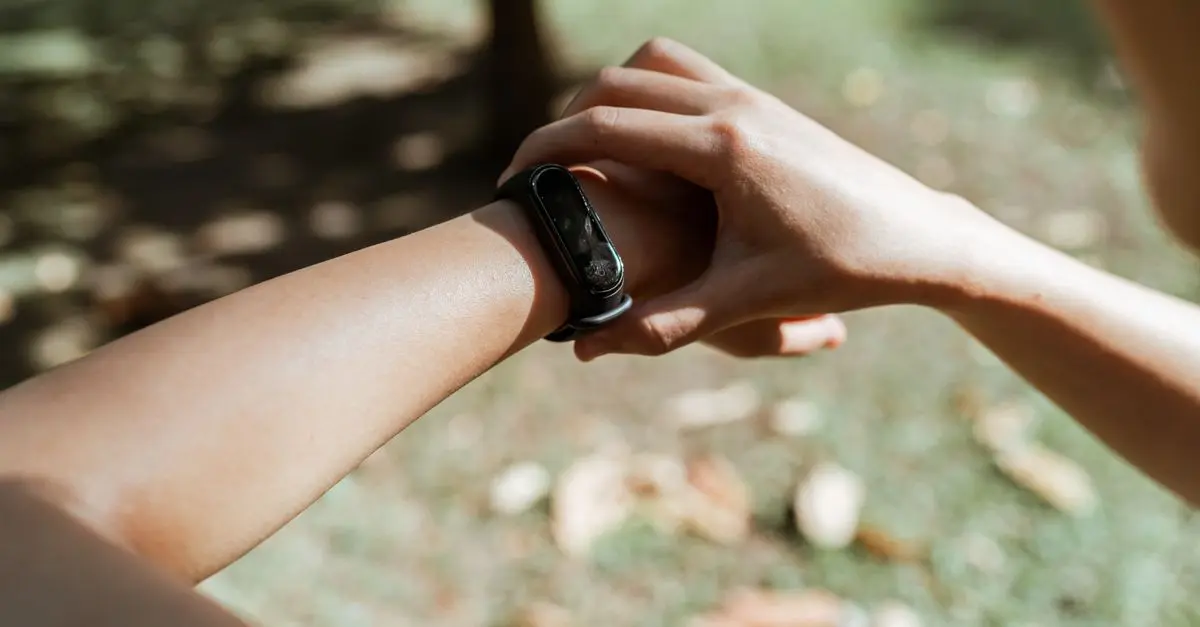
- Fitness trackers: Devices like smartwatches or dedicated fitness bands not only count your steps but can monitor heart rate, sleep quality, and more. They often sync with mobile applications, providing detailed reports of your activity trends.
- Mobile apps: There are numerous apps available that can track your steps. Some popular options include smartphone apps that can utilize your phone's built-in sensors to record your activity without any additional devices.
When choosing your tools, consider user reviews and the features that will be beneficial for your specific needs. Remember, the goal is to enhance your awareness of your activity levels—not complicate your life!
Step 3: Log Your Activity
Once you've set your goals and selected your tracking tools, it's time to log your activities. Keeping a consistent log will help you visualize your progress over time—allowing you to tweak your goals and strategies as needed.
This can be done traditionally via pen and paper or digitally using apps that connect to your devices. For instance, several popular fitness apps provide a logging feature where you can enter your daily steps, workouts, and food intake, fostering a comprehensive view of your fitness journey.
Additionally, many apps come with prompts and reminders that can encourage you to keep moving when you might otherwise feel inactive. Tracking how you've felt physically and mentally throughout the day can also provide valuable context for your progress and help identify patterns or days that require adjustments.
Step 4: Analyze Your Progress Regularly
Regularly reviewing your data is essential for tracking step to fitness progress effectively. Set aside time each week or month to analyze your activity levels and assess whether you are meeting your goals.
Ask yourself questions like:
- Am I consistently reaching my step goals?
- Are there particular days of the week I notice fewer steps?
- Have I improved in my overall stamina or endurance?
Utilizing visual aids—like charts or graphs found in most fitness apps—can also help track trends over time. As you discover what works and what doesn’t, adjust your goals and strategies accordingly. This adaptability will support sustained engagement in your fitness journey.
Step 5: Engage with Others for Accountability
Fitness journeys often thrive in community settings. Engage friends, family, or even social media platforms to share your progress and encourage each other. Many fitness apps also offer social features that allow you to challenge friends or participate in group activities, enhancing enjoyment and accountability.
Sharing your journey not only fosters motivation from others but can enhance your commitment to reaching your fitness goals—whether that’s seeing others actively pursuing their fitness goals or receiving encouragement during difficult times.
💡 Expert Advice: For maximum effectiveness, find a walking buddy or join a local walking group. Exercising with others increases your likelihood of sticking to your fitness goals significantly.
Checklist before Tracking Your Steps
- [ ] Set up realistic step goals
- [ ] Choose your preferred fitness tracking tool
- [ ] Log your daily activity
- [ ] Analyze your tracking data weekly
- [ ] Engage in community fitness activities
Glossary
| Term | Definition |
|---|---|
| Pedometer | A device that counts steps based on motion sensors. |
| Fitness tracker | A wearable device that monitors various physical activities and health metrics. |
| SMART Goals | A framework for setting specific, measurable, achievable, relevant, and time-bound goals. |
📺 Resource Video
> 📺 For further insights: How to Set Achievable Fitness Goals, a detailed guide on establishing fitness milestones. Search on YouTube: how to set achievable fitness goals 2026.
📺 Pour aller plus loin : how to set achievable fitness goals 2026 sur YouTube
Recommended products
Selected by our experts


tasc T-Shirts: Carrollton Fitness T-Shirt - Size M in Anchor - tasc Performance
tascperformance.com

tasc Long Sleeve T-Shirts: Carrollton Long Sleeve Fitness T-Shirt - Size S in White - tasc Performance
tascperformance.com

tasc T-Shirts: Carrollton Fitness T-Shirt - Size XL in Marble Heather - tasc Performance
tascperformance.com

tasc T-Shirts: Carrollton Fitness T-Shirt - LSU - Size M in Marble Heather - tasc Performance
tascperformance.com

tasc T-Shirts: Carrollton Fitness T-Shirt - Clemson - Size M in Orange C - tasc Performance
tascperformance.com