Table of Contents (18 sections)
What is Fitness Tracking?
Fitness tracking refers to the practice of monitoring various aspects of physical activity and health metrics to improve overall wellness. This can include tracking steps taken, calories burned, heart rate, sleep patterns, and even nutrition intake. The rise in fitness tracking's popularity can be attributed to advancements in technology, such as wearable devices and smartphone applications, which make it easier for individuals to gather and analyze their health data.
One of the primary advantages of fitness tracking is that it provides users with real-time feedback on their physical activity and performance. This can spur motivation and allow for more personalized workout plans. According to studies conducted by U.S. News and World Report, people who track their fitness are more likely to achieve their health goals compared to those who don’t track.
Ultimately, fitness tracking can promote accountability, helping individuals maintain motivation and focus on their long-term health objectives. In this modern age of information, leveraging technology for fitness is not just a trend; it's becoming essential for anyone looking to lead a healthier lifestyle.
Step-by-Step Guide to Effective Fitness Tracking
Step 1: Define Your Fitness Goals
Before you embark on your fitness tracking journey, you need to outline clear and measurable fitness goals. Whether it's losing weight, building muscle, or improving endurance, having specific targets helps guide your tracking efforts. For example, instead of saying "I want to lose weight," set a goal like "I want to lose 10 pounds in 3 months."
Step 2: Choose the Right Tools
Selecting the appropriate tools for fitness tracking can significantly impact your success. There are various devices, such as fitness bands, smartwatches, and mobile applications, that can help you track your progress.
- Fitness Bands: These are excellent for step counting, heart rate monitoring, and sleeping pattern analysis.
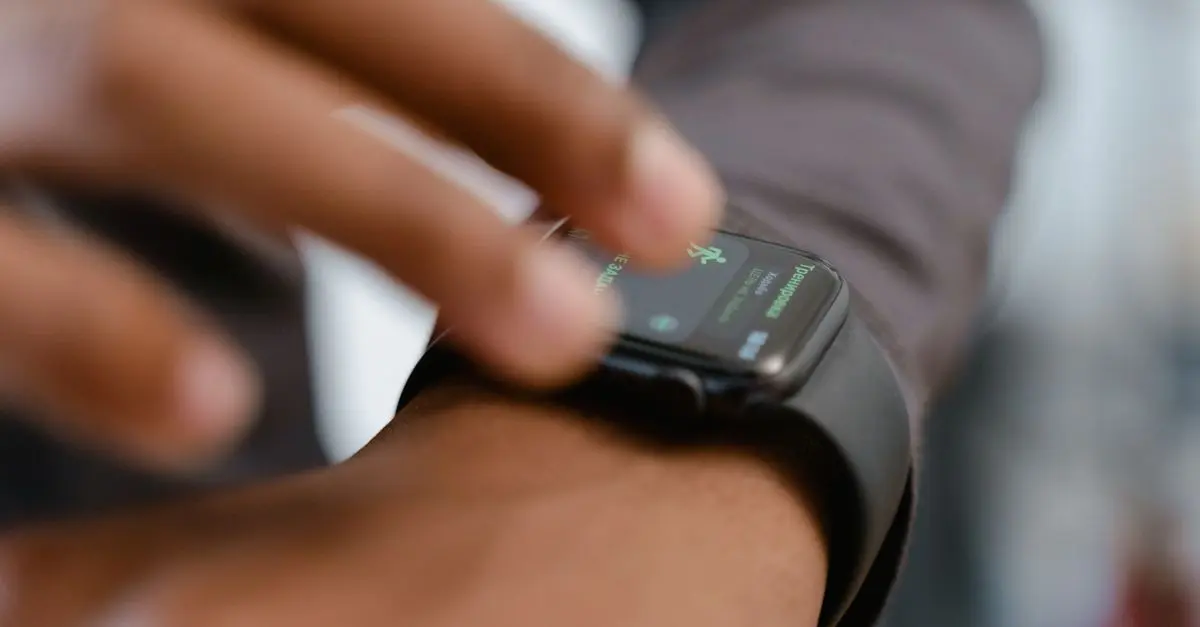
- Smartwatches: Beyond basic tracking, they often come equipped with GPS functionality, allowing for detailed activity mapping during runs or cycling.
- Mobile Applications: Many apps provide extensive features, including meal tracking, progress visualization, and community support.
Step 3: Consistently Log Your Activity
The key to effective fitness tracking lies in consistency. Make it a habit to log your activities daily. Utilize apps that allow for easy entry and adjustments. Many wearables sync automatically, streamlining the logging process.
Step 4: Analyze Your Data
Regularly reviewing and analyzing your data is vital to understanding your physical activity patterns. Look for trends in your workouts — such as the days you are most active, your peak performance times, or areas needing improvement.
Step 5: Adapt and Modify Your Plan
After assessing your data, it may become necessary to adjust your fitness plan. For instance, if your step count consistently falls below your goal, consider setting smaller, more attainable daily targets to gradually build up your activity level.

Garmin HRM 600 Heart Rate Monitor Heart Rate Monitors Size M - XL
holabirdsports.com


Comparing Fitness Tracking Tools
| Feature | Fitness Bands | Smartwatches | Mobile Apps |
|---|---|---|---|
| Heart Rate Monitoring | Yes | Yes | Yes |
| GPS Tracking | No | Yes | Yes (varies by phone) |
| Activity Logging | Moderate Automation | High Automation | Customizable Logging |
| Nutrition Tracking | No | Limited (depends on the app) | Yes |
| Community Features | Yes (limited) | Yes | Robust features available |
| Price Range | $50 - $200 | $150 - $800 | Free to $10 monthly subscriptions |
These statistics reflect a growing trend towards health-consciousness fueled by technology. As devices become more sophisticated, incorporating features that monitor overall wellness will only become more common. For example, many devices now offer stress management and recovery insights, a crucial addition for those looking to optimize performance and well-being.
Frequently Asked Questions
What are the benefits of fitness tracking?
Fitness tracking helps with accountability, motivates users to achieve their goals, and provides valuable data for personalizing workouts.
How often should I track my fitness?
Aim to track your fitness daily. The more consistent your logging, the clearer and more useful your data will be.
Can I track my fitness without a device?
Yes, you can manually log activities in a notebook or use mobile apps that don’t require wearables.
What metrics should I focus on?
Start with basic metrics like steps, calories burned, and heart rate. As you advance, you can incorporate more detailed measurements such as sleep quality and exercise intensity.
Checklist Before You Start Tracking
- [ ] Define your fitness goals clearly.
- [ ] Research and select your fitness tracking tool.
- [ ] Create a habit to log your activities regularly.
- [ ] Analyze your data weekly or monthly.
- [ ] Adjust your fitness plan based on insights.
💡 Expert Opinion: Tracking your fitness is not just about numbers. It's crucial to listen to your body and adapt your methods accordingly. D'après notre expérience, the most successful tracking endeavors come from a combination of data-driven insights and intuitive adjustments to your routine.
💡 Additional Resources
> 📺 To delve deeper: Discover the best ways to optimize your fitness tracking experience. Search on YouTube: fitness tracking techniques 2026.

JBL - Tour One M3 Wireless Headphones - T110 In Ear Headphones + Software - Latte
bestbuy.com

Beats - Solo 4 Wireless Headphones - Drenched Grey + In Ear Headphones + Software - White
bestbuy.com
Garmin HRM 600 Heart Rate Monitor Heart Rate Monitors Size XS - Small
holabirdsports.com
Glossary
| Term | Definition |
|---|---|
| Fitness Tracking | The process of monitoring various health metrics and physical activities to improve health and wellness. |
| Wearable Technology | Electronic devices worn on the body that track or monitor health and fitness-related data, such as steps, heart rate, or sleep patterns. |
| Data Visualization | The graphical representation of data to better understand complex information through visual means, crucial for analyzing fitness trends and performance. |
---
📺 Pour aller plus loin : fitness tracking techniques 2026 sur YouTube
Recommended products
Selected by our experts


Garmin Venu 3s GPS Watch GPS Watches Silver with Sage Gray Band
holabirdsports.com

Uplifted Goods Fitness Training Gloves For Weightlifting Gym And Workout Support a red m
inspireuplift.com