
Table of Contents (9 sections)
Setting realistic fitness goals can seem challenging, but it is crucial for achieving lasting results. This article will guide you through the process of effective fitness goal setting, ensuring that your objectives are both achievable and motivating. We'll cover each step in detail, helping you create a clear path toward your fitness aspirations.
1. Understand Your Starting Point
Before setting any fitness goals, it is vital to assess where you currently stand. This assessment includes evaluating your physical condition, understanding your strengths and weaknesses, and recognizing any limitations you may have. Begin by tracking your current fitness level through various metrics such as endurance, strength, flexibility, and body composition.
Consider utilizing fitness assessments that might include a simple body weight index check, timing a 1-mile run, or occasionally performing a series of strength exercises to gauge your performance. According to a survey by the American Council on Exercise, only 23% of individuals take the time to assess their fitness levels before starting a new program. This absence of baseline understanding can lead to unrealistic expectations and eventual discouragement.
Establishing this baseline allows you to formulate goals that suit your unique circumstances. Always remember to consult with a healthcare professional or fitness expert before beginning any extensive fitness program, especially if you have preexisting health concerns.
2. Define Your Goals Using the SMART Criteria
Once you clearly understand your starting point, it's time to define your goals. One of the most effective frameworks to utilize is the SMART criteria:
- Specific: Your goal should be clear and specific. Instead of saying, "I want to get fit," say, "I want to run a 5K without stopping."
- Measurable: Quantify your goal to track your progress. For example, aim to decrease your 5K time by 5 minutes.
- Achievable: Ensure that your goal is realistic given your starting point. Aiming for a sub-20 minute 5K might not be achievable for everyone.
- Relevant: Connect your fitness goal to your broader lifestyle objectives. How will this goal improve your life?
- Time-bound: Set a deadline for your goal. Having a timeline not only motivates you but also provides a schedule to follow.
Using this structure ensures your goals are comprehensive and helps maintain your focus over time. A study conducted by UCLA found that individuals who define their goals with a structure are significantly more likely to achieve them compared to those with vague ambitions.
3. Create an Action Plan
With your SMART goals defined, the next step is to create an actionable plan to accomplish them. This should include breaking down your goals into smaller, manageable chunks. For instance, if running a 5K is your goal, create weekly training schedules.
An effective training plan might consist of:
- Week 1-2: Start with walking 30 minutes, three times a week.
- Week 3-4: Introduce short jogging intervals during your walks, gradually increasing the running duration.
- Week 5-8: Progressively increase your running distance and frequency.
Utilizing platforms like fitness apps or training diaries can help you stay on track. According to the Journal of Sports Sciences, those who track their workouts report greater consistency and better results.
4. Overcoming Obstacles and Challenges
Every fitness journey encounters obstacles, and understanding how to overcome them is crucial for sustained success. Common challenges include time constraints, lack of motivation, or even injury. It’s beneficial to anticipate possible hurdles and have strategies ready to address them.
For example:
- Time Constraints: If you struggle to find time to work out, consider shorter, high-intensity workout sessions that fit into a busy schedule.
- Motivation Loss: Mix in various activities to keep your routine fresh. Try different classes or outdoor activities to maintain excitement.
- Injury Management: Always listen to your body. If you experience pain, rest and consult a professional to prevent long-term damage.
Using tools such as fitness trackers can also significantly aid in identifying patterns related to your struggles and achievements.
5. Monitor Your Progress and Adjust Goals as Necessary
Regularly assessing your progress is vital in your fitness goal setting journey. Consider reviewing your performance weekly or bi-weekly, which helps maintain focus and adapt if needed. For instance, if you find that your initial goal of running a 5K is achieved quicker than expected, consider increasing the challenge, perhaps targeting a longer race or enhancing your speed.
Moreover, it’s essential to celebrate the small victories along the way. Recognizing your achievements helps maintain high motivation levels and reinforces positive behavior. According to the American Psychological Association (APA), celebrating small successes can significantly boost your overall satisfaction and commitment to the goal.
6. Seek Support and Accountability
When setting fitness goals, one of the most overlooked aspects is community support and accountability. Engaging with friends, family, or fitness groups can provide motivation and encouragement throughout your fitness journey. Join local running clubs, online communities, or partner with a workout buddy to enhance your accountability.
Research shows that sharing your goals and experiences with others can lead to higher success rates. Don’t hesitate to seek support from professionals such as trainers, who can provide tailored guidance and keep you accountable.
Glossary
| Term | Definition |
|---|---|
| SMART Goals | Goals that are Specific, Measurable, Achievable, Relevant, and Time-bound. |
| Baseline | Initial point of measurement, against which progress can be measured. |
| Action Plan | A detailed outline of steps required to achieve a goal. |
Checklist before achieving fitness goals
- [ ] Assess current fitness level
- [ ] Set SMART goals
- [ ] Develop an action plan
- [ ] Identify potential obstacles
- [ ] Monitor progress regularly
- [ ] Adjust goals as necessary
- [ ] Engage a support network
📺 For more insights: Setting realistic fitness goals — explore different methodologies and tips. Search on YouTube for "setting fitness goals guide 2026."
By following these steps, you can effectively navigate the world of fitness goal setting, creating a sustainable and engaging program that works for you. Remember, the key to success is persistence and flexibility. Good luck on your journey!
📺 Pour aller plus loin : setting fitness goals guide 2026 sur YouTube
Recommended products
Selected by our experts
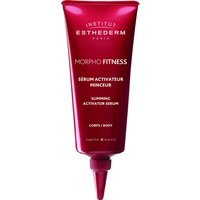
Institut Esthederm Morpho Fitness Sérum Activateur Minceur 100ml
DocMorris FR (ex DoctiPharma FR)

Semelles Flexor Sport Fitness Fx5 010 36/37 1 paire
DocMorris FR (ex DoctiPharma FR)

Semelles Flexor Sport Fitness Fx5 010 38/39 1 paire
DocMorris FR (ex DoctiPharma FR)
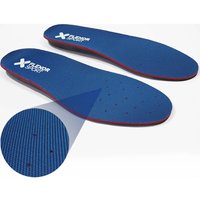
Semelles Flexor Sport Fitness Fx5 010 40/41 1 paire
DocMorris FR (ex DoctiPharma FR)

Semelles Flexor Sport Fitness Fx5 010 45/46 1 paire
DocMorris FR (ex DoctiPharma FR)

Menufitness Smoothies Oat Meal Chocolate Brownie 1000g
DocMorris FR (ex DoctiPharma FR)