Table of Contents (14 sections)
Starting a home strength training routine can be both exciting and daunting. In today's fast-paced world, exercising at home provides convenience without compromising on results. Here, we explore a step-by-step approach tailored for beginners to ensure a well-rounded and effective strength training regimen from the comfort of your home.
Key Benefits of Home Strength Training
Strength training at home offers numerous benefits. The convenience of exercising on your schedule eliminates travel time and provides privacy. Additionally, without gym distractions, one can maintain focus and routine consistency. According to studies, 41% of Americans who engage in fitness activities do so at home due to convenience and flexibility.
1. Setting Up Your Home Gym
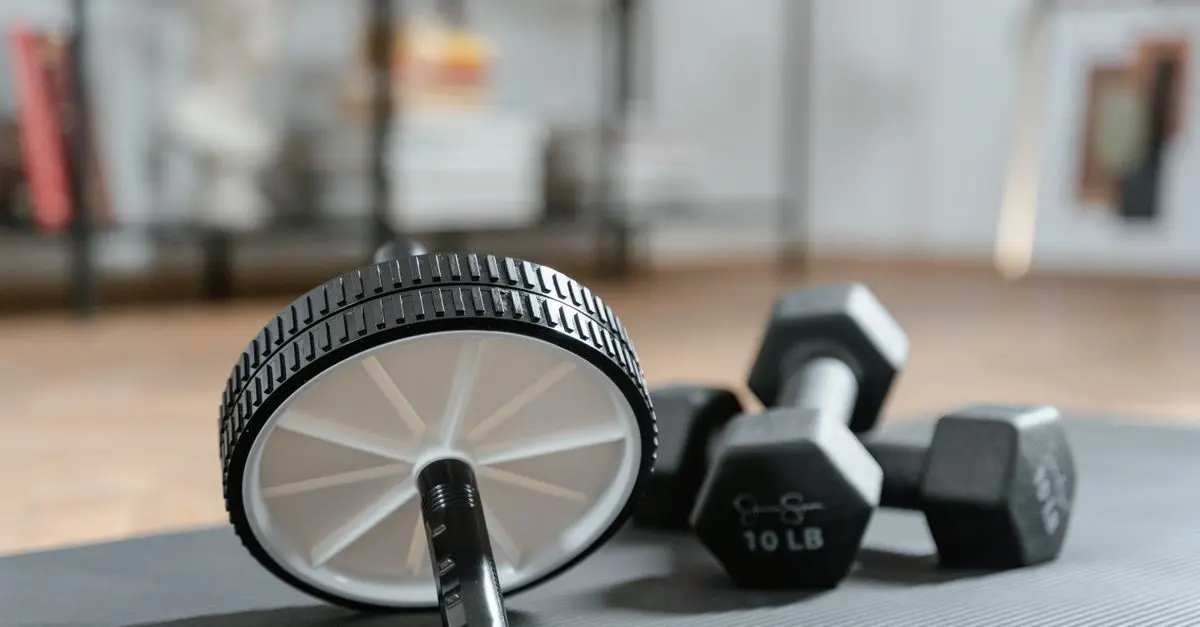
Begin by designating a space for your workouts, ensuring it's free of clutter and well-ventilated. Essentials like a yoga mat, resistance bands, and dumbbells are a great place to start. Investing in adjustable dumbbells can save space and adapt to various exercises. As per user feedback, creating a visually appealing area with motivational decor can boost adherence to routines.
2. Establishing Your Routine
Consistency is key in strength training. Start with three days a week, focusing on major muscle groups. Consider a split routine, alternating upper and lower body workouts. Leveraging tools like calendar apps to track workouts can increase commitment levels. Often, beginners overtrain, leading to fatigue or injury. Listening to one's body and allowing recovery is crucial.
3. Mastering Basic Techniques
Focusing on form over repetitions ensures safety and effectiveness. Essential exercises like squats, lunges, and push-ups lay a strong foundation. Source: ACE Fitness notes incorrect form as a leading cause of workout injuries. Consider recording yourself to analyze and perfect your technique or consult online tutorials from reputable trainers.
4. Progressing Safely
Gradually increasing exercise intensity is vital. Begin with lighter weights, slowly progressing as strength builds. Tools such as resistance bands provide varied tension levels, making them ideal for progression. CDC research indicates that incremental progression can reduce the risk of injuries.
5. Integrating Cardio and Flexibility
Combining strength with cardio accelerates fitness goals. Incorporate activities like jumping jacks or brisk walking post strength sessions to enhance cardiovascular health. Furthermore, flexibility exercises, such as yoga or dynamic stretching, improve muscle recovery and joint health.
6. Tracking and Measuring Success
Document your journey using fitness apps or journals. Metrics such as weight lifted, reps, and workout duration offer insights into your progress. Harvard Health emphasizes that visualizing advancements can motivate continued participation and goal achievement.
📺 Resource Video
📺 For further insight: [Home Strength Training Guide for Beginners] provides a comprehensive walkthrough of exercises. Search YouTube: "beginner home strength training 2026".
🧠 Quick Quiz
🧠 Quick Quiz: What is essential for beginners in home strength training?
- A) Form and consistency
- B) Heavy weights
- C) Long workouts
Answer: A — Proper form and a consistent routine are paramount.
Comparative Equipment Choice
| Feature | Resistance Bands | Dumbbells | Kettlebells |
|---|---|---|---|
| Space Requirement | Minimal | Moderate | Moderate |
| Versatility | High | High | Moderate |
| Cost | Low | Variable | Variable |
| Learning Curve | Low | Moderate | Moderate |
| Term | Definition |
|---|---|
| Resistance Band | A flexible band used for strength training |
| Split Routine | Training different body parts on different days |
| Rep | A single complete performance of an exercise |
- [ ] Define your workout space
- [ ] Gather necessary equipment
- [ ] Plan a balanced routine
- [ ] Monitor your progression
- [ ] Integrate flexibility work
- How often should I strength train at home as a beginner?
Three times a week is ideal to start, allowing rest days.
- What equipment is essential for home strength training?
Dumbbells, resistance bands, and a yoga mat are common essentials.
- How do I ensure I have the correct form?
Focus on mastering basics through video tutorials and self-recording.
- How do I track my strength training progress?
Using fitness apps or journals to note weight, reps, and routines.