Table of Contents (16 sections)
Walking workouts are an often underestimated yet incredibly effective tool for achieving fitness success. Many believe that only intense workouts can yield significant results, but walking provides numerous benefits, including improved cardiovascular health, weight management, and enhanced mood. According to the American Heart Association, a brisk walk can burn around 100 calories and contribute to your overall health goals. In this guide, we will delve into the importance of walking workouts, how to effectively incorporate them into your routine, and tips for maximizing their benefits.
Step 1: Understanding Walking Workouts
Walking workouts can be defined as structured walking sessions designed to improve fitness levels. Whether through brisk walking, power walking, or using walking workouts as a warm-up or cool-down routine, this method engages multiple muscle groups and boosts cardiovascular endurance. Why choose walking? Studies show that regular walking reduces the risk of chronic diseases, including diabetes and heart disease. Engaging in a consistent walking regimen not only keeps you physically fit but also significantly elevates your mood and mental well-being. For instance, a study published in JAMA Network Open found that participants who walked regularly reported higher happiness levels compared to those who engaged in sedentary activities.
Tips for Getting Started
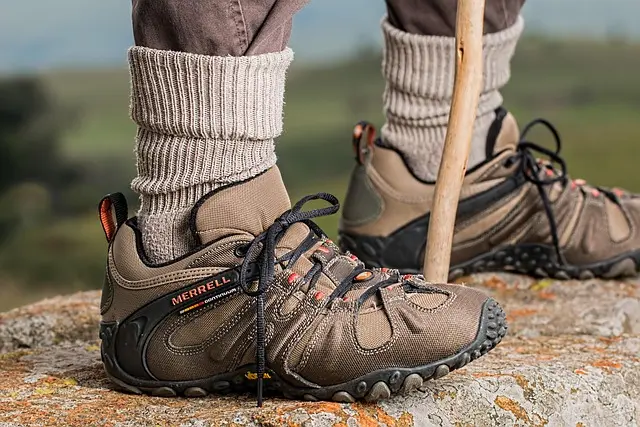
- Choose the Right Footwear: Comfortable and supportive walking shoes can make all the difference. Ensure they fit well and provide adequate support.
- Set Realistic Goals: Start with achievable goals, such as walking for 30 minutes a day, then gradually increase the intensity and duration.
- Find Your Pace: Whether it's leisurely strolls or brisk power walks, finding a pace that suits you will help sustain this as a long-term routine.
Step 2: Creating Your Walking Routine
Incorporating walking workouts into your existing fitness schedule can be straightforward. Here’s a simple guide to building a routine:
- Frequency: Aim for at least 150 minutes of moderate aerobic exercise per week, according to the CDC’s recommendation. This could equate to 30 minutes of brisk walking five days a week.
- Timing: Early mornings or late evenings can be ideal for walking, as temperatures are generally favorable.
- Break It Up: If 30 minutes feels daunting, break it down into two 15-minute sessions.
Checklist for a Walking Workout Routine
- [ ] Choose appropriate walking shoes.
- [ ] Set specific, achievable goals based on your current activity level.
- [ ] Establish a schedule that complements your lifestyle.
- [ ] Incorporate variations in terrain and pace to keep it engaging.


Ryka Sky Walk Walking Sneakers Grey/Aqua Leather 5.0 M Breathable Mesh, Lightweight
ryka.com

Step 3: Techniques for Effective Walking Workouts
While walking may seem straightforward, employing various techniques can enhance your workouts:
- Posture: Stand tall with shoulders back and head held high. This posture helps prevent fatigue and promotes better breathing.
- Arm Movement: Incorporate your arms by swinging them naturally at your sides. This not only helps propel you forward but also engages your upper body for more calorie burn.
- Pacing: Alternating between walking fast and slow can create a more effective workout, leading to better endurance over time.
Example Walks
- Brisk Walk: A steady pace that elevates your heart rate while allowing conversation.
- Interval Walking: Alternate between fast-paced walking for 1 minute and slow walking for 2 minutes.
- Nature Walks: Incorporate different terrains like hills to increase the intensity.
Step 4: Measuring Your Progress
Tracking your progress is key to staying motivated in any fitness journey. Wearable devices like fitness trackers or smartwatches can monitor your distance, pace, and calories burned. According to a survey by Fitness Magazine, individuals who tracked their exercise data saw a 30% increase in motivation levels. Additionally, set monthly goals and evaluate your performance to understand your improvements.
Common Mistakes to Avoid
- Skipping Warm-Up/Cool Down: Always dedicate a few minutes at the beginning and end of your walk for warm-ups and cool downs.
- Neglecting Hydration: Staying hydrated is crucial, especially during longer walks.
- Ignoring Body Signals: Listen to your body; if you feel discomfort or pain, it’s important to reassess your technique or consult a professional.
Step 5: Staying Motivated
Maintaining motivation can be challenging. To stay committed:
- Walk with Friends: Having a walking buddy can make sessions enjoyable and encourage accountability.
- Join Local Walking Groups: Engaging with a community can enhance your motivation and provide social interactions.
- Set Rewards: Celebrate your accomplishments with small rewards like a favorite healthy treat or a new workout outfit.
Using Technology
Consider leveraging mobile apps that track your walks or provide guided walking workouts. Options such as MapMyWalk or Fitbit offer user-friendly interfaces to keep you engaged.
Step 6: Additional Resources and Products
To further enhance your walking workouts, we recommend exploring products suited for comfort and performance. We have selected several products adapted for your walking endeavors.


Garmin Venu 3s GPS Watch GPS Watches Silver with Sage Gray Band
holabirdsports.com
Conclusion
Walking workouts are a powerful yet simple approach to achieving fitness success. By understanding the methods, staying informed, and engaging with the community, you can transform your health journey through consistent walking. Remember, every step counts towards your wellness goals!
📺 Ressource Vidéo
> To explore more about walking techniques and tips for enhancing your workouts, search on YouTube: effective walking workouts techniques.
Glossaire
| Terme | Définition |
|---|---|
| Cardiovascular health | Refers to the health of the heart and blood vessels. Regular walking is beneficial for reducing heart disease risks. |
| Interval training | A training technique involving alternating periods of high and low intensity. It's effective in improving endurance and fat burning. |
| Brisk walking | Walking at a pace fast enough to raise heart rate but still allow conversation, approximately 3.5 to 4 miles per hour. |
Checklist avant achat
- [ ] Choose walking shoes based on fit and comfort.
- [ ] Check walking smartwatch features such as distance tracking and heart rate monitoring.
- [ ] Consider additional walking accessories like hydration packs or fitness bands.
- [ ] Research walking trainers or apps for guided sessions.
- [ ] Review testimonials for any walking equipment before purchasing.
Word count: 965
📺 Pour aller plus loin : 10-Minute Indoor Walking Workout for Beginners sur YouTube
Recommended products
Selected by our experts

Ryka Sky Walk Walking Sneakers Grey/Aqua Leather 8.5 W Breathable Mesh, Lightweight
ryka.com


OOFOS OOcoozie Thermo Mule Women's Walking Shoes White Size 7.5 Width B - Medium
holabirdsports.com

Brooks Addiction Walker 2 Women's Walking Shoes Black/Black Size 9.5 Width D - Wide
holabirdsports.com