Table of Contents (18 sections)
Walking is a fundamental part of physical fitness that is often overlooked. The simplicity of walking can lead many to underestimate its impact on overall health and fitness. However, developing a consistent and effective walking routine can significantly boost your fitness levels, improve mental health, and even help with weight management. So, what does it take to create a sustainable walking routine?
1. Understanding the Benefits of a Walking Routine
Walking is not just a mundane task; it’s a powerful exercise with numerous health benefits. According to the American Heart Association, just 30 minutes of brisk walking can help reduce health risks associated with chronic diseases. This includes a lower risk of heart disease, Type 2 diabetes, and certain cancers. Additionally, walking can improve your mental health by reducing anxiety and depression levels. Steps to incorporate walking into your daily life can include taking the steps instead of the elevator, walking your pet, or simply going on a stroll during your break time at work.
The goal of an effective walking routine should be consistency and gradual progression. This means creating a schedule that fits into your lifestyle while gradually increasing the distance and pace of your walks over time. Start with what you can manage, and slowly build up your stamina. Research suggests that walking at least 10,000 steps per day can offer substantial health benefits, but if you're starting or have specific health concerns, you can begin with fewer steps and gradually build up.
2. How to Create Your Walking Routine
Creating a walking routine can be broken down into several steps. Here’s how to do it:
Step 1: Set Clear Goals
Determine what you want to achieve. Do you aim to lose weight, improve your cardiovascular health, or simply enjoy a mental break? Setting specific targets helps maintain motivation and provides a sense of purpose.
Step 2: Choose the Right Equipment
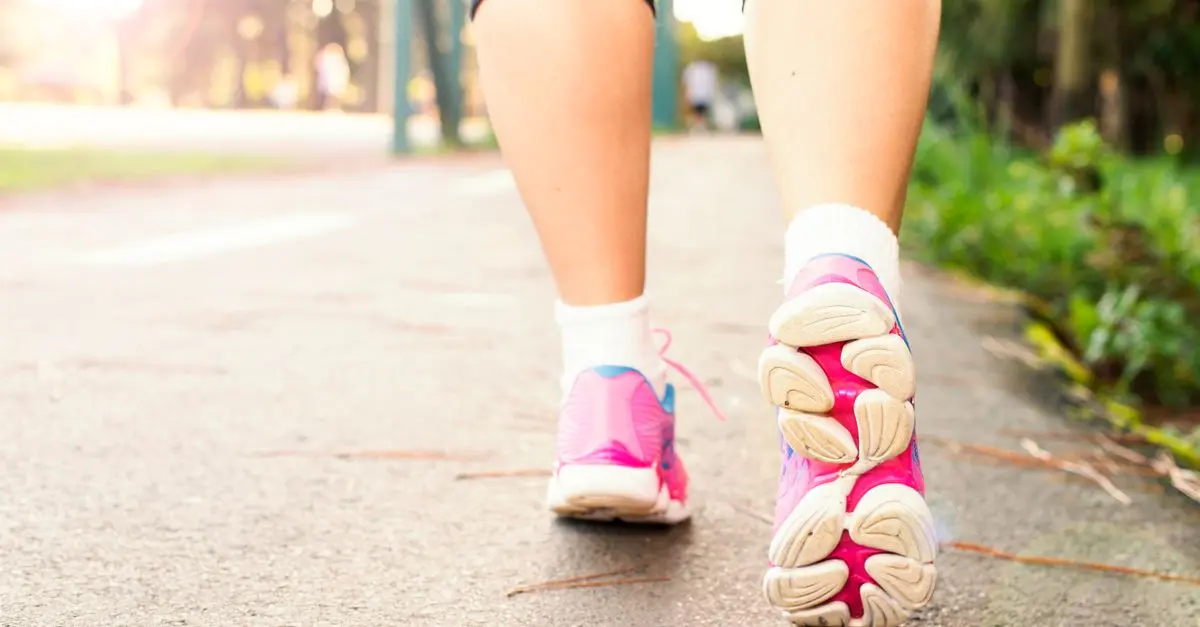
Having the right gear is essential for a successful walking routine. Invest in good-quality walking shoes that provide adequate support and cushioning to prevent injuries. Comfort can dictate how enjoyable and sustainable your routine will be. We have selected several products tailored for your walking needs to ensure you achieve the best experience.
Step 3: Plan Your Route
Select safe and enjoyable paths for your walks. Whether it’s a serene park, urban streets, or scenic trails, your walking environment can heavily influence your desire to stick to your routine. Maps or fitness apps can help track your distance and maintain your route.
Step 4: Incorporate Variety
To keep things interesting, consider varying your routine. Mix up your walking pace, change your routes, or walk with a buddy to add social interaction. Variation helps keep your body challenged and prevents boredom.
Step 5: Maintain Consistency
Set a walking schedule that fits your daily routine. Whether it’s every morning, during lunch breaks, or in the evenings, consistency is key. Establish a regular walking time so it becomes a habit and part of your daily routine.
Step 6: Monitor Your Progress
Keep track of your walks. Use a pedometer, fitness tracker, or mobile app to monitor your steps and distances. Regular follow-up can help you evaluate whether you’re meeting your goals, and make adjustments accordingly.
Step 7: Stay Motivated
Find ways to keep your motivation high. This might include setting milestones or rewards, joining walking clubs, or even sharing your goals and experiences on social media. Engaging with others can often reignite the passion during slower periods.
Check List Before Starting Your Walking Routine
- [ ] Set clear and achievable fitness goals.
- [ ] Acquire proper walking shoes and gear.
- [ ] Identify safe walking routes.
- [ ] Establish a regular walking schedule.
- [ ] Evaluate and adjust your routine as necessary.

Ryka Dash 3 Walking Sneakers Black/Blue Leather 6.0 W Breathable Mesh, Lightweight
ryka.com

3. Introduction to Fitness Tracking: Comparing Devices
As you embark on this walking journey, you might consider using fitness tracking devices to maximize your results. Here’s a comparison of a few options you may encounter:
| Feature | Basic Pedometer | Smartphone App | Advanced Fitness Tracker |
|---|---|---|---|
| Step Counting | Yes | Yes | Yes |
| Heart Rate Monitor | No | No | Yes |
| GPS Tracking | No | Yes | Yes |
| Calorie Tracking | Limited | Yes | Yes |
| Water Resistance | No | Variable | Yes |
| Battery Life | Long | Depends on use | Long |
4. Frequently Asked Questions
Q1: How many days a week should I walk?
Walking five days a week is a great goal for maintaining fitness. However, even three days weekly can significantly contribute to your health.
Q2: Is it better to walk fast or longer?
It’s essential to find a balance. Incorporating both speed and distance into your routine can yield the best results.
Q3: What if I can't walk every day?
Even if walking every day isn't feasible, aim for shorter walks and incorporate them into your schedule. Remember, every step counts!
Q4: Can I lose weight by walking?
Yes, incorporating significant walking into your lifestyle can contribute to weight loss, especially when combined with a balanced diet.
5. Resources for Continued Learning
> 📺 For further exploration: Check out YouTube for inspiring videos on creating effective walking routines and techniques. Search the following: `
Recommended products
Selected by our experts

HOKA Bondi SR Men's Walking Shoes Carbon Black/White Size 9.5 Width D - Medium
holabirdsports.com

Brooks Addiction Walker 2 V-Strap Women's Walking Shoes Black/Black Size 8 Width D - Wide
holabirdsports.com

New Balance 928v3 Men's Walking Shoes Black Size 10 Width 6E - Extra Extra Wide
holabirdsports.com

New Balance 928v3 Men's Walking Shoes White Size 8 Width 6E - Extra Extra Wide
holabirdsports.com


Ryka Devotion X Walking Sneakers Dusk Blue Fabric 11.0 M Arch Support, Breathable Mesh
ryka.com