Table of Contents (10 sections)
Creating a personalized fitness routine is essential for anyone looking to achieve their health and fitness goals efficiently. Tailoring your exercise plan to fit your unique situation can significantly enhance your motivation and success. In this guide, we’ll break down the steps required to design a fitness routine that works for you, ensuring it’s not only effective but also enjoyable.
Step 1: Assess Your Current Fitness Level
Before diving into creating a personalized fitness routine, it's crucial to assess your current fitness level. Understanding where you stand provides a baseline for your goals and helps in avoiding injuries. To assess your fitness level:
- Consider a fitness test: Perform a few simple exercises like push-ups, sit-ups, or a timed mile run. This will give you insight into your current strength and endurance.
- Reflect on your daily activity: How active are you in your day-to-day life? How often do you exercise, and what kind of exercises do you typically engage in?
- Involve a professional: If possible, consult with a fitness trainer who can conduct more thorough assessments, including flexibility tests and body composition analysis. According to the American Council on Exercise, understanding your fitness level makes it easier to set realistic and achievable goals.
By taking this step, you ensure that your personalized fitness routine aligns with your capabilities and maximizes your chances for success.
Step 2: Define Your Fitness Goals
After assessing your fitness level, the next step in crafting your personalized fitness routine is defining clear and specific fitness goals. Having well-defined goals provides direction and motivation. Consider:
- SMART goals: Ensure your goals are Specific, Measurable, Achievable, Relevant, and Time-bound. For example, instead of saying “I want to get fit,” a SMART goal would be “I want to lose 10 pounds in 2 months by exercising 4 times a week.”
- Categories of goals: Your fitness goals might include weight loss, strength gain, endurance building, or flexibility improvement. Prioritizing your goals can help in crafting a routine that directly targets those outcomes.
- Personal motivation: Identify why these goals are important to you. A personal connection, whether for health, aesthetic, or performance reasons, can fuel your commitment.
Defining specific goals keeps you focused and engaged. Whether your objective is to run a marathon or simply to feel more energetic, knowing what you’re working toward is vital.
Step 3: Choose the Right Activities
Once you have established your fitness goals, it’s time to select the activities that will be part of your personalized fitness routine. Choosing enjoyable activities increases adherence and makes your routine sustainable. Types of activities to consider include:
- Cardiovascular exercises: Running, cycling, swimming, or group fitness classes help improve heart health and stamina.
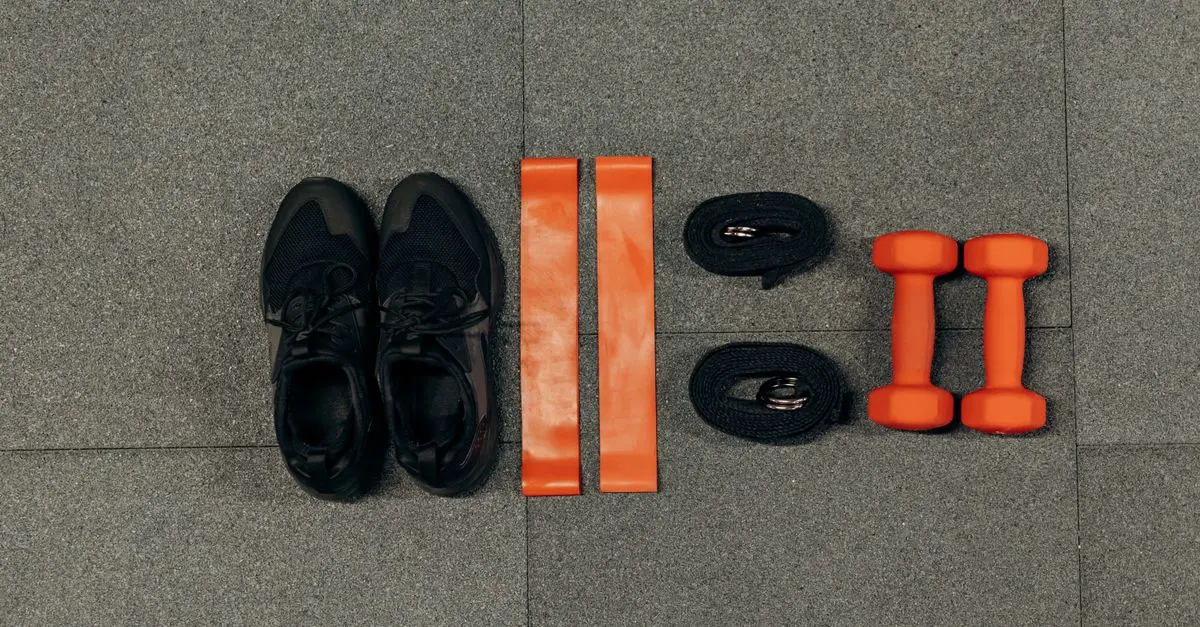
- Strength training: Weight lifting, bodyweight exercises, or resistance bands can enhance muscle mass and boost metabolism.
- Flexibility and recovery: Incorporating yoga or Pilates can improve flexibility, balance, and recovery from intense workouts.
- Fun activities: Dancing, martial arts, or team sports can add a fun element and make exercise something you look forward to.
By mixing various types of exercises, you can create a balanced routine that keeps workouts engaging while addressing multiple fitness components.
Step 4: Create a Schedule
Scheduling your workouts in advance is crucial for maintaining consistency. Here are some tips for effective scheduling:
- Choose a frequency: Depending on your goals and fitness level, aim for at least 150 minutes of moderate aerobic exercise each week, coupled with two days of strength training, as recommended by the CDC.
- Be realistic: Factor in your daily commitments and choose workout times that fit seamlessly into your life, whether that means morning, lunch, or evening sessions.
- Include rest days: Allow for recovery by scheduling rest days or light activity days. Overtraining can lead to burnout and injuries, slowing your progress.
Once your schedule is set, treat it as you would any important appointment, ensuring that consistency forms the backbone of your journey toward fitness.
Step 5: Track Your Progress
Tracking your progress is vital in staying motivated and understanding what works. You can do this by:
- Maintaining a workout journal: Recording workouts, exercises, and feelings about each session helps in recognizing patterns and areas for improvement.
- Using fitness apps: Many apps allow you to track exercises, nutrition, and overall goals. Fitbit and MyFitnessPal are popular choices.
- Regularly reassessing goals: Every few weeks, revisit your goals and adjust them based on your progress. Celebrate your achievements, no matter how small.
Tracking provides insight into your workout efficiency and helps build accountability, ensuring you stay on track with your personalized fitness routine.
Conclusion
Creating a personalized fitness routine not only makes your workouts more enjoyable but also helps you achieve your fitness objectives more efficiently. Remember to assess your fitness level, set specific goals, and choose activities you enjoy. Keep your schedule flexible yet consistent and regularly track your progress to adapt and enhance your routine. By investing time in crafting your personalized fitness routine, you're not just working out — you're investing in your overall well-being.
Checklist for Creating Your Personalized Fitness Routine
- [ ] Assess your current fitness level
- [ ] Define your fitness goals
- [ ] Choose your preferred activities
- [ ] Create a workout schedule
- [ ] Track your progress
Glossary
| Term | Definition |
|---|---|
| SMART Goals | Specific, Measurable, Achievable, Relevant, Time-bound objectives that guide fitness planning. |
| Cardiovascular Exercise | Physical activity that boosts heart health and stamina through activities like running or cycling. |
| Strength Training | Exercises that enhance muscle mass and strength through resistance exercises. |
> 💡 Expert Opinion: Incorporating a mix of cardio, strength, and flexibility training can significantly boost your results, not just physically but for your overall mental well-being as well.
📺 Resource Video
> To go further: Learn how to create an effective fitness plan, a comprehensive analysis of workout schematics. Search on YouTube: "how to create a personalized fitness routine 2026".
📺 Pour aller plus loin : how to create a personalized fitness routine 2026 sur YouTube
Recommended products
Selected by our experts
Authentic Hotel and Spa 100% Turkish Cotton Beige ADORNIA Scallop Personalized 2 Piece Hand Towel Set - 2 Hand Towels
bedbathandbeyond.com
This personalized hand towel set is perfect for keeping your workout space tidy and adding a personal touch to your fitness journey.
Authentic Hotel and Spa 100% Turkish Cotton Grey ADORNIA Scallop Personalized 2 Piece Bath Towel Set - 2 Bath Towels
bedbathandbeyond.com
Having a dedicated towel for exercise sessions makes your workout routine more enjoyable and hygienic.

Miles Kimball Personalized Printed Golf Flag Ball Holder
mileskimball.com
Using a personalized golf flag ball holder can motivate you during outdoor workouts, reminding you to enjoy the process.